We’re here to help
Understanding hearing loss
When you have trouble hearing what’s being said around you, you can feel very isolated. Being unable to keep up with a conversation or laugh along with jokes can cause you to be cut off and feel left out and alone.

You are not alone
When it comes to dealing with hearing impairment, you are not alone. Every 1 out of 3 people over age of 65 has some form of hearing loss. It is not only older people who experience hearing difficulties. Young people can also be hearing impaired due to any number of factors, including childhood illnesses or too much exposure to loud noise or music. The truth is, people of all ages may be experiencing untreated hearing loss. With many different treatment options available, there is little reason to avoid taking action.

Understanding hearing loss is an important first step towards doing something about it.
Hearing loss can be something that happens suddenly if you’re exposed to a loud sound or bang. It can also happen slowly over a long period of time, which is often the case with age-related hearing loss.
Hearing loss means you have lost the ability to hear certain sounds. Perhaps you can no longer hear high-pitched tones, like the voices of women or children. Or maybe you can’t pick out a single voice if there is a lot of conversation in the background. When you experience hearing loss, it simply means that the sounds around you aren’t being communicated properly to your brain. There are a number of reasons why this might happen, depending on the type of hearing loss that someone has.
There are three main different types of hearing loss:
-
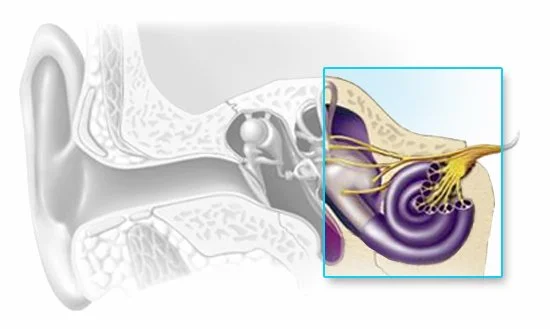
Sensorineural hearing loss
It is the most common form of hearing loss.This is where the hair cells in the inner ear/cochlea become permanently damaged and cannot transmit the sound signals to the brain (age related hearing loss & noise exposure).
-
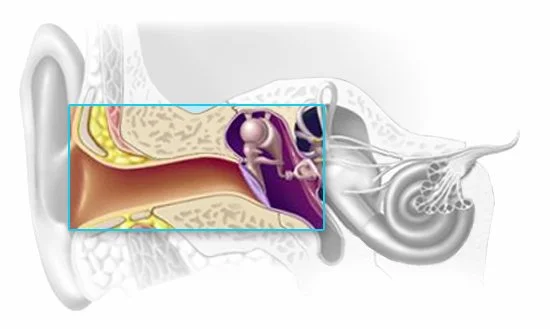
Conductive hearing loss
Is caused when the sound cannot pass freely through to the ear drum and the bony structures of the middle ear (ear wax, ear infections, perforated ear drum etc.)
-
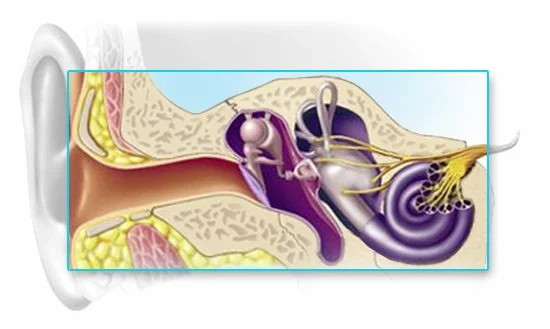
Mixed hearing loss
Occurs when there is a conductive hearing loss combined with a sensorineural loss, leading to possible problems with the outer, middle and inner ear.
Signs of hearing loss
It can be difficult to tell if you’re losing your hearing, and in some cases, people around you might notice before you do.
We often recognise the signs of hearing loss before we realise there is a problem.
Does it sound like everyone around you is mumbling, and do you ask them to repeat themselves more than you used to?
Is it getting difficult to understand a one-on-one conversation in noisy locations like a restaurant?
Are you unable to hear when someone is speaking to you from another room?
These are some of the most common signs of hearing loss:




Difficulty hearing other people clearly, especially in noisy places
Misunderstanding what is being said
Turning up the volume of the television or radio
Withdrawal from conversations and avoiding social settings
Muffling of speach and other sounds
Asking people to repeat themselves


Improving your hearing ability keeps your brain active and research strongly suggests it can help to slow the the onset of symptoms associated with dementia and Alzheimer’s disease, whilst also reducing the risk of loneliness and depression.
With the use of hearing aids, not only does it make hearing easier but also helps to connect you with your family and friends and become more physically and socially active.

Hearing loss can affect your relationships
The symptoms of hearing loss are often misunderstood by other people. When you don’t immediately respond to what they’re saying, they may think you’re not paying attention or that you’re just not interested.
Social events are less enjoyable when you’re living with hearing loss. It can be hard to understand what’s being said when there is a lot of noise in the background. Watching everyone else join in with the laughter and not being able to keep up with what was so funny can be demoralizing.
It can be quite an unsettling condition to experience and can also have an impact on those around you, too. Don’t underestimate the impact of hearing loss on your love ones. Often, both halves of a couple will report frustration, a sense of isolation, and resentment toward their partner when hearing loss is left untreated.
So, if you are worried about hearing loss, or think you might know someone who is, we’re here to help.
Frequently Asked Questions about Hearing Tests
-
If you’re finding it difficult to follow conversations, often turn up the TV volume, notice ringing in your ears, or experience a sudden change in hearing, it’s a good idea to book a hearing test.
-
We recommend a hearing check every 12 months, especially if you’re over 60 or have noticed changes in your hearing.
-
Not at all. Hearing tests are completely safe, comfortable, and painless. You’ll simply listen to a series of sounds through headphones and let us know what you can hear.
-
Insurance coverage can vary depending on your provider and plan. We recommend checking directly with your insurer for details.
Ready to Book?
Follow the link below to book your appointment with our expert Audiologist