Ear Wax Removal
Our ear wax removal service in Sandbach is quick, safe, and effective. We offer a gentle, professional service with a qualified Audiologist - secure your appointment today.
Safe, gentle and professional ear care you can trust
Microsuction
At Orchard Hearing, our practitioners use a gentle microsuction technique developed by ear, nose, and throat specialists (ENTs) to remove wax and debris. Ear wax removal by micro-suction is a gentle process using a low-pressure suction machine with a fine sterile probe to safely and gently remove the wax from the ear canal.
Irrigation
Ear irrigation has replaced the method of ear syringing. Irrigation uses an electronic machine, which contains a water reservoir unit and a hand held nozzle or ear irrigation syringe. This method pulsates water into the ear canal at a controlled and steady rate in order to dislodge and flush out the ear wax.
Curettage Removal
Curettage ear wax removal involves using a curette, which is a small, curved instrument, to manually remove ear wax. This method is often used for harder or impacted wax and is best suited for patients that suffer from tinnitus or have sensitivity to loud noises.
Professional, safe and reassuring care
You’ll be seen by a fully qualified Audiologist registered with the HCPC and BSHAA, using only the safest techniques such as microsuction, electronic irrigation, or curettage. All equipment is single-use, sterile, and completely hygienic. Your Audiologist will guide you through every step of the process and provide full support throughout the procedure. Appointments typically last around 30 minutes.
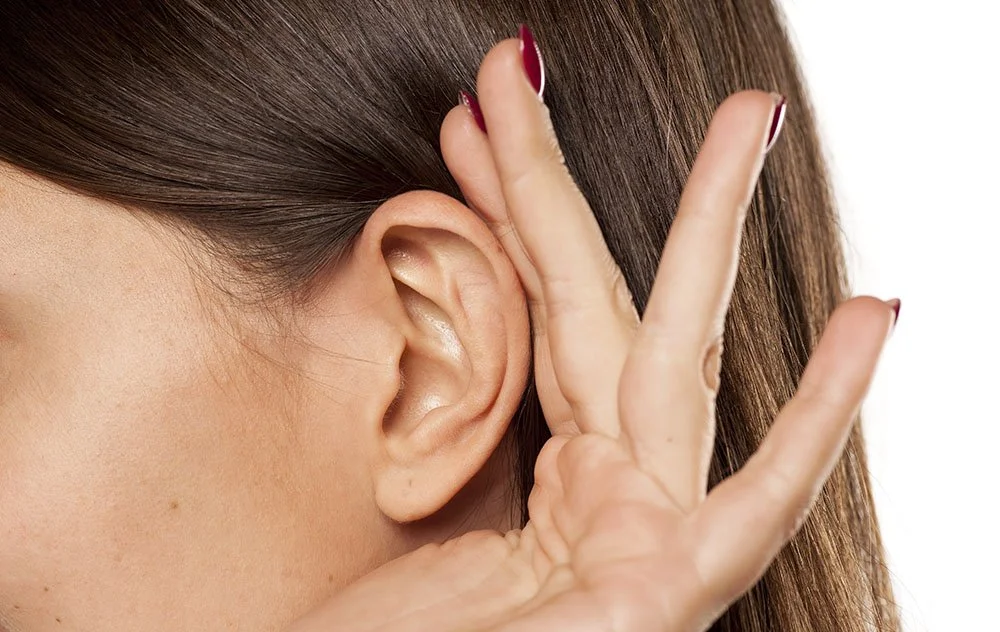
Ear Wax Removal
• £40 one ear
• £70 both ears
Free for our hearing aid customers
Before your appointment
No need to use oil for weeks beforehand
A few drops for a couple of nights before can help soften the wax
Aftercare
If a second appointment is needed, it will be provided at no extra charge
Important to know
If you have pain, infection or discharge, please contact your GP
All patients must be 18 or over

Our approach to Ear Wax Removal
-
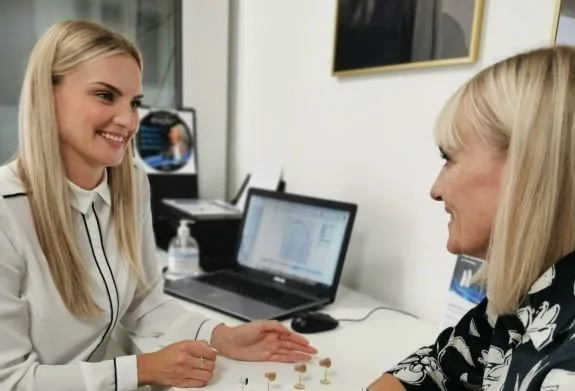
1. Medical History
For us to give you the best course of treatment for you, it is important for you to share your hearing history and any health issues you may have. This allows us to fully understand your overall health before carrying out any procedures.
-
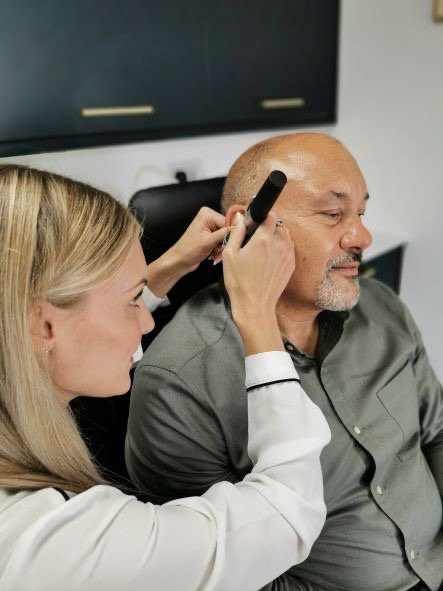
2. Ear wax examination
If the issue is not ear wax you will receive a full consultation and if appropriate, be offered a hearing test in place of your procedure. You will only pay the £20 consultation fee.
-
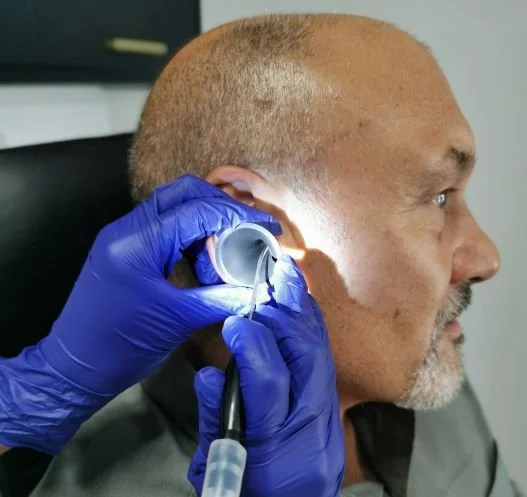
3. Ear wax removal
If excess wax is present following your ear wax examination, we will determine which of these methods will provide the optimal course of treatment for you. e.g. Microsuction, Curettage or Irrigation
-
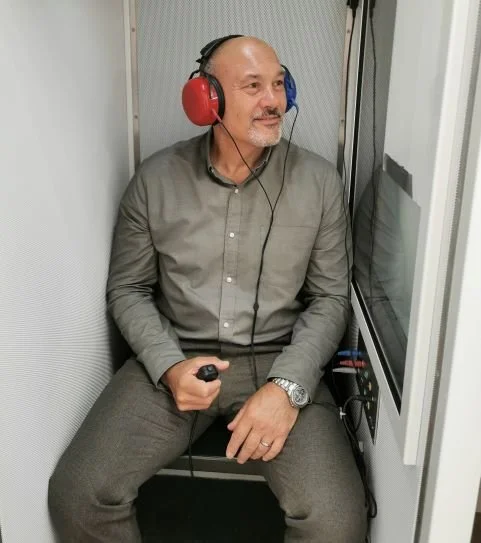
4. Hearing test
After your wax removal, over 60’s can have a free, optional hearing check. You’ll simply listen to some sounds through headphones and press a button when you hear them.
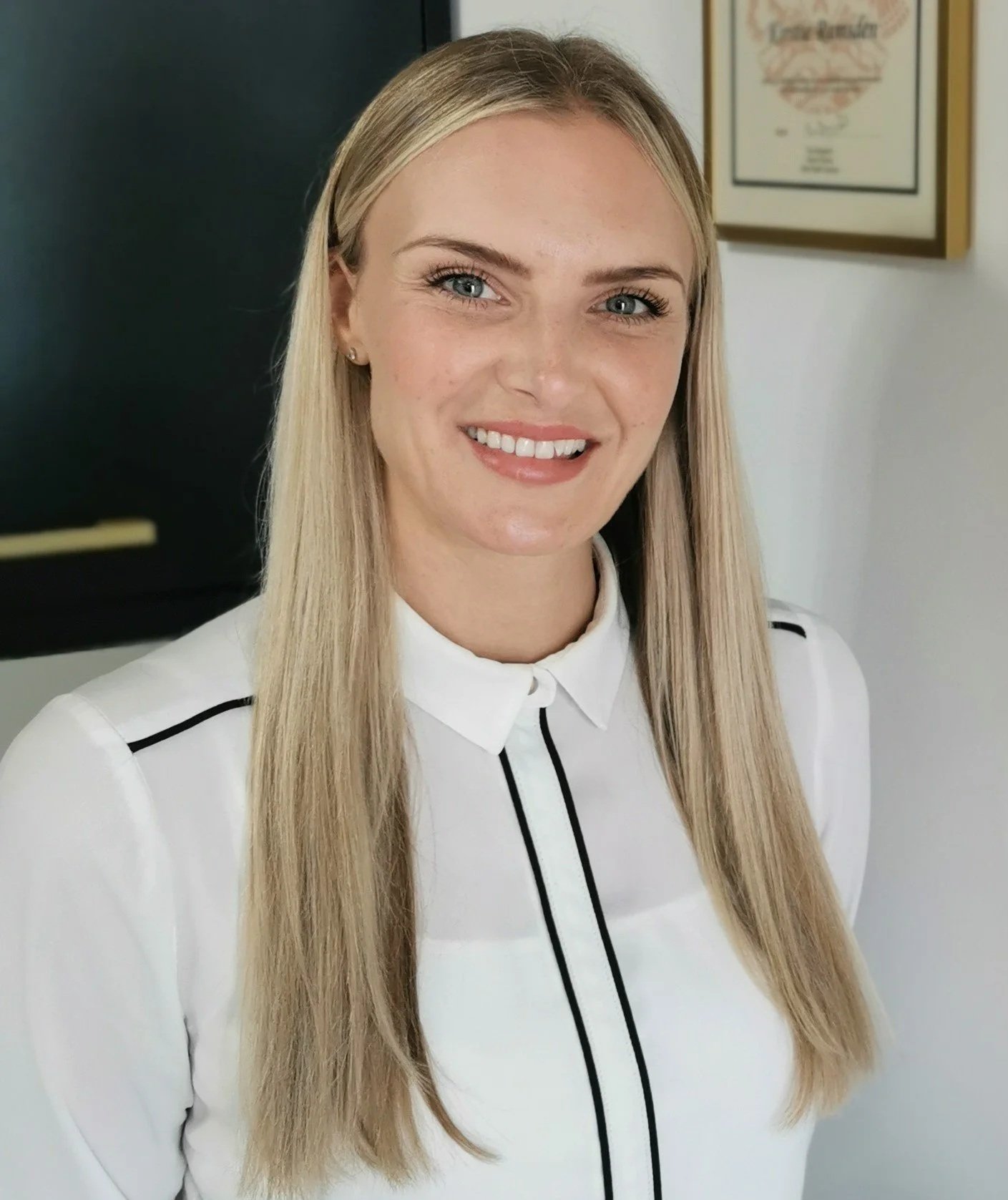
Meet our expert Audiologist
Kirstie Ramsden
Kirstie holds a Distinction in Audiology from the prestigious De Montfort University in Leicester. She possesses a significant professional background, with over 18 years of experience in the audiology sector.
Her comprehensive professional experience includes roles at the Royal Stoke University Hospital. Her wealth of experience is further completed by working in Newborn Hearing Screening and dedicatedly studying British Sign Language, prior to earning her degree.
Kirstie offers expertise across the entire scope of audiology practice, including detailed hearing assessments, precise hearing aid fitting, and rehabilitation. Furthermore, she is fully certified in earwax removal, providing microsuction, irrigation and curettage removal methods to ensure patient safety and suitability.
Kirstie has a compassionate & empathetic approach towards patient care, which is essential for addressing the complexities of hearing loss to ensure you receive personalised and appropriate care that meets your needs.
What is Ear Wax?
Your ears are very efficient at cleaning themselves. Your body will normally produce and maintain a healthy amount of ear wax on its own.
Ear wax helps to protect the ear canal from things like bacteria and debris that can cause infections. Ear wax is produced naturally by glands in the ear canal, and can vary in colour from yellow, to bright orange, to dark brown.
Sometimes this wax can become hard and impacted, which can lead to problems like hearing loss, or discomfort.
How often should I remove ear wax?
Everyone develops different amounts of wax, and at different speeds. Some people need regular appointments to manage this, others only need occasional ones. Your audiologist at Orchard Hearing will assess and recommend what’s best for you.
When to have ear wax removed?
Our ears are self-cleaning, so generally speaking they shouldn’t require any cleaning on a regular basis. It’s best to leave them to do what they do best.
Earwax plays an important part in your ear health – it’s naturally anti-bacterial and helps to protect the delicate skin in the ear – so it’s only necessary to remove it when it’s causing you problems.
The only time it may be necessary to clean your ears is if you have issues with excessive earwax that is affecting your hearing, or you’re experiencing the associated symptoms such as:
Feeling of fullness in the ear
Tinnitus (ringing)
Dizziness
Itchy ears
Difficulty hearing
If you naturally produce a lot of earwax that makes you more susceptible to build-ups, your audiologist at Orchard Hearing will recommend what’s most suitable ensuring your ears are kept healthy.
Causes of compacted wax
You might have earwax build-up because:
You just produce more wax in your ears – some people do naturally
You have hairy or narrow canals
Age – earwax becomes drier, harder and more difficult to fall out as we age
Wearing hearing aids, earplugs and other things you put in your ear – these can push the wax further in
Your ears can become impacted with wax when trying to ‘clean’ your ear yourself. Using things like cotton buds to try and remove earwax can actually push it further into the ear, where it can build up and become impacted.
Frequently Asked Questions about Ear Wax Removal
-
Common signs include muffled hearing, ear discomfort, tinnitus (ringing), or a blocked feeling in the ear. Our specialists will examine your ears and advise if earwax removal is necessary.
-
We use microsuction or Irrigation—the safest and most effective methods for earwax removal. It’s quick, gentle, and performed by our trained Audiologist.
-
No, it’s usually very comfortable. You may feel a light suction sensation, but most people find the procedure quick and pain-free.
-
Yes, we recommend using olive oil drops 2–3 days before your visit. This helps soften the wax and ensures a smoother removal.
-
This varies from person to person, but most people benefit from a professional clean once or twice a year. We can advise based on your individual needs.
-
To help keep your ears clear, we recommend regular check-ups and occasionally using a few drops of clinical-grade olive oil to keep the wax soft. Avoid using cotton buds or putting anything into your ear canal, as this can push wax further in and cause blockages.
-
Keep your ears dry for the next 24 hours and avoid using cotton buds or placing anything in your ears. If you have any questions or concerns, please get in touch for advice.
-
If your hearing doesn’t improve following wax removal, we’ll carry out a comprehensive hearing test to explore other possible causes and guide you towards the most appropriate next stage of care if needed.
-
You can book professional ear wax removal at Orchard Hearing in Sandbach. We regularly treat patients from Alsager, Crewe, and surrounding Cheshire areas, offering a convenient local service without long waiting times.
-
We provide earwax removal for patients aged 18 years and over. If your child or teenager is experiencing problems with earwax, we recommend contacting your GP, who can assess the situation and advise on the most suitable treatment options.
Ready to Book?
Follow the link below to book your ear wax removal with our expert Audiologist